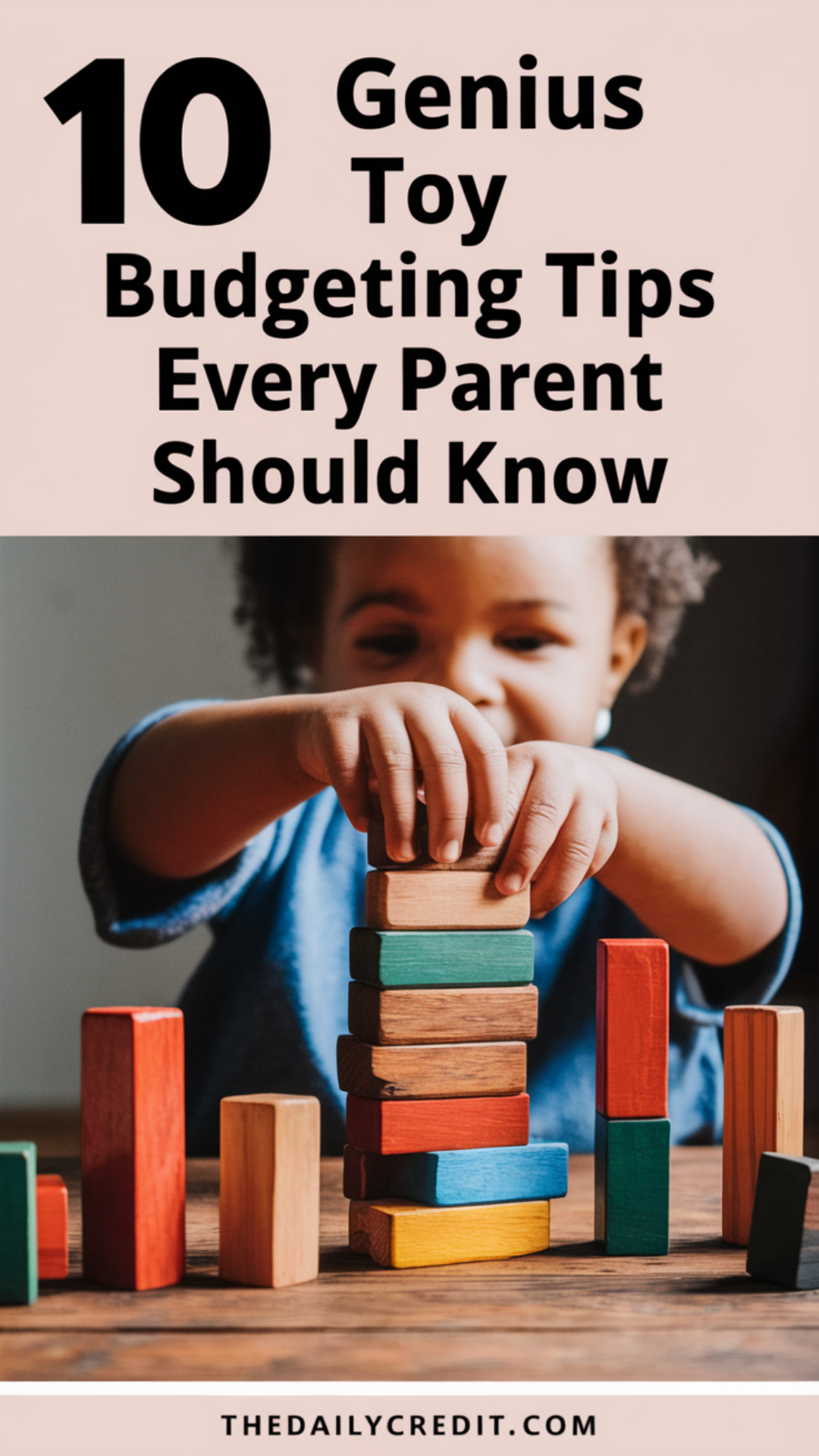
I’ve balanced investment portfolios worth millions—and somehow, managing toy spending requires the same discipline. The average family spends $900–$2,200 a year on toys, yet nearly 45% of those toys sit untouched after month one. The solution isn’t less fun—it’s smarter allocation. Budget toys like assets, not emotional purchases.
1. Set a Monthly Toy Budget
1–3% of income max. Boundaries protect wallets.
2. Use the 30-Day Want Rule
Most impulse cravings disappear. If they remember it in a month—maybe it’s worth it.
3. Buy Toys During Sales Only
Seasonal + online deals cut spending 20–60%.
4. Prioritize Educational Value
Learning toys produce 4–6x more long-term engagement.
5. Choose Quality Over Quantity
One durable toy beats five break-and-replace buys.
6. Rotate Toys Every Few Weeks
Hide half, return later. Old becomes new—free excitement.
7. Swap With Friends or Parents Groups
Inventory refresh with zero spending.
8. Cap Birthday & Festive Spending
Set limits before emotions enter the chat.
9. Track Monthly Toy Spend
A simple spreadsheet reduces waste 15–30%.
10. Teach Kids to Earn Toys
Work → value. Kids respect what they earn, not what appears magically.
Final Word From Someone Who Tracks Margins Like Oxygen
Parenting doesn’t need bigger budgets—it needs better strategy. Apply these tips and you’ll slash waste, stretch value, and build money-smart kids in the process. Joy shouldn’t drain your bank account—it should compound.
I'm Richard Polk Vaughan, head writer at The Daily Credit, where I blend Wall Street expertise with freelance hustle. Crafting investment strategies and advising clients is my game, but I also dive into affiliate marketing and social media strategy. Outside work, you’ll find me on the tennis court or golf course, and I never say no to a good pizza. Balancing work, play, and passion keeps me sharp and ahead of the curve.