I’ve built businesses brick-by-brick, negotiated multi-million-dollar budgets, and I’ll tell you the truth—most parents don’t overspend because toys are expensive. They overspend because there’s no pricing discipline. The average family spends $75–$250 monthly on toys, but with structure, you can limit each purchase to $20 or less without sacrificing quality or fun.
1. Set a Hard $20 Purchase Cap
Treat toys like investment allocations. If it’s over $20, it waits.
2. Shop Sales, Never Full Price
Seasonal drops slash costs 30–70%. The patient buyer always wins.
3. Use Reward Points & Coupons
Stack deals like multi-asset portfolios. Small savings compound.
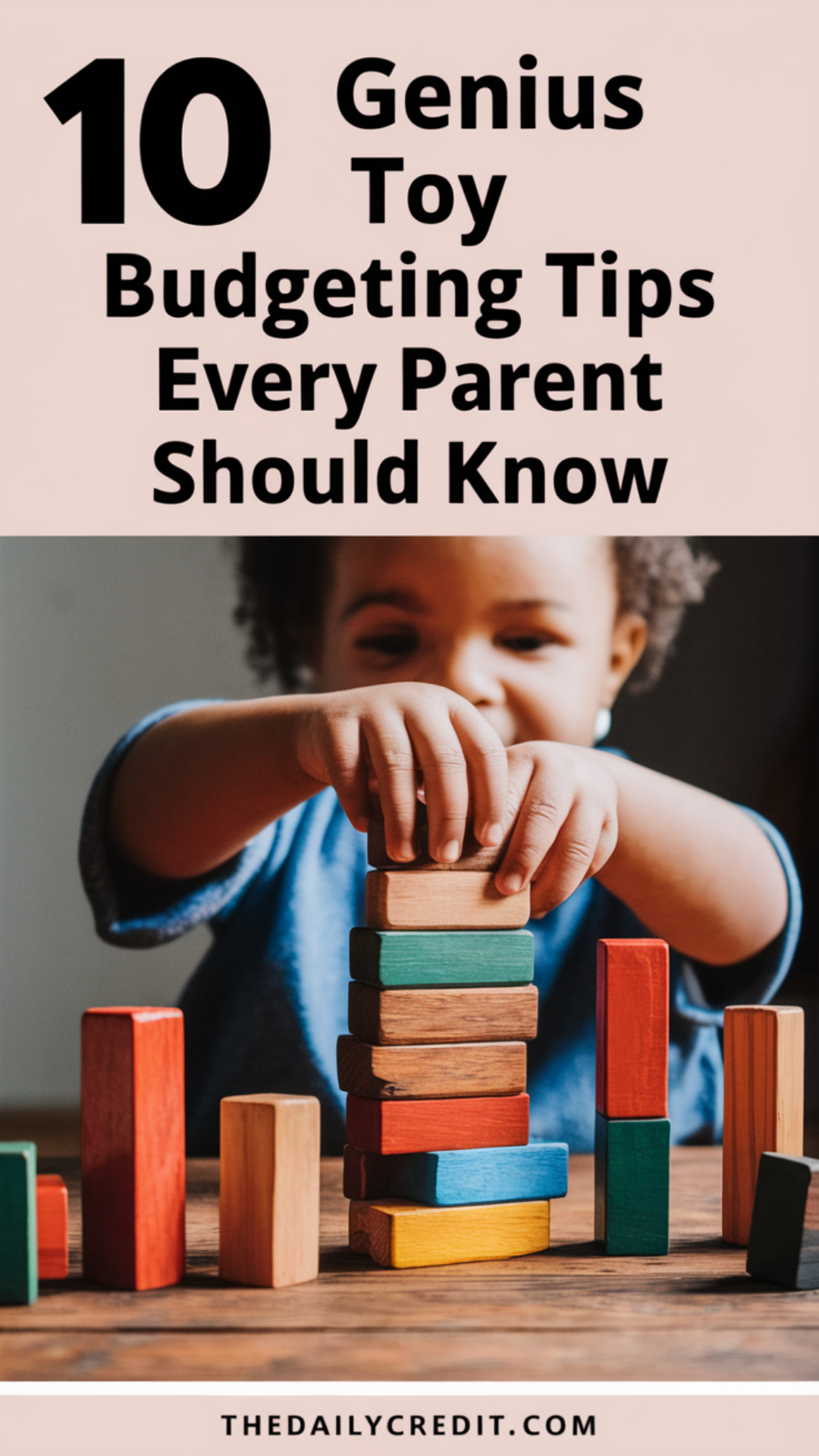
4. Buy Open-Ended Toys
Blocks, puzzles, clay sets = multiple uses. More value per dollar.
5. Skip Brand Hype
Kids play with the toy—not the logo. Generic wins when quality is equal.
6. Bundle Instead of Buying Single Items
Multi-packs stretch every dollar further. Volume is leverage.
Earning reduces demand pressure + teaches value early.
Final Word — From a Man Who Understands Leverage and Limits
A $20 ceiling isn’t restriction—it’s control. Parents who buy toys like investors stretch budgets further, reduce regret purchases, and still keep kids smiling. Small wins compound into $500–$1,200 annual savings, without cutting joy.
I'm Richard Polk Vaughan, head writer at The Daily Credit, where I blend Wall Street expertise with freelance hustle. Crafting investment strategies and advising clients is my game, but I also dive into affiliate marketing and social media strategy. Outside work, you’ll find me on the tennis court or golf course, and I never say no to a good pizza. Balancing work, play, and passion keeps me sharp and ahead of the curve.