How to Spend Less Than $30 a Month and Still Spoil Your Kids
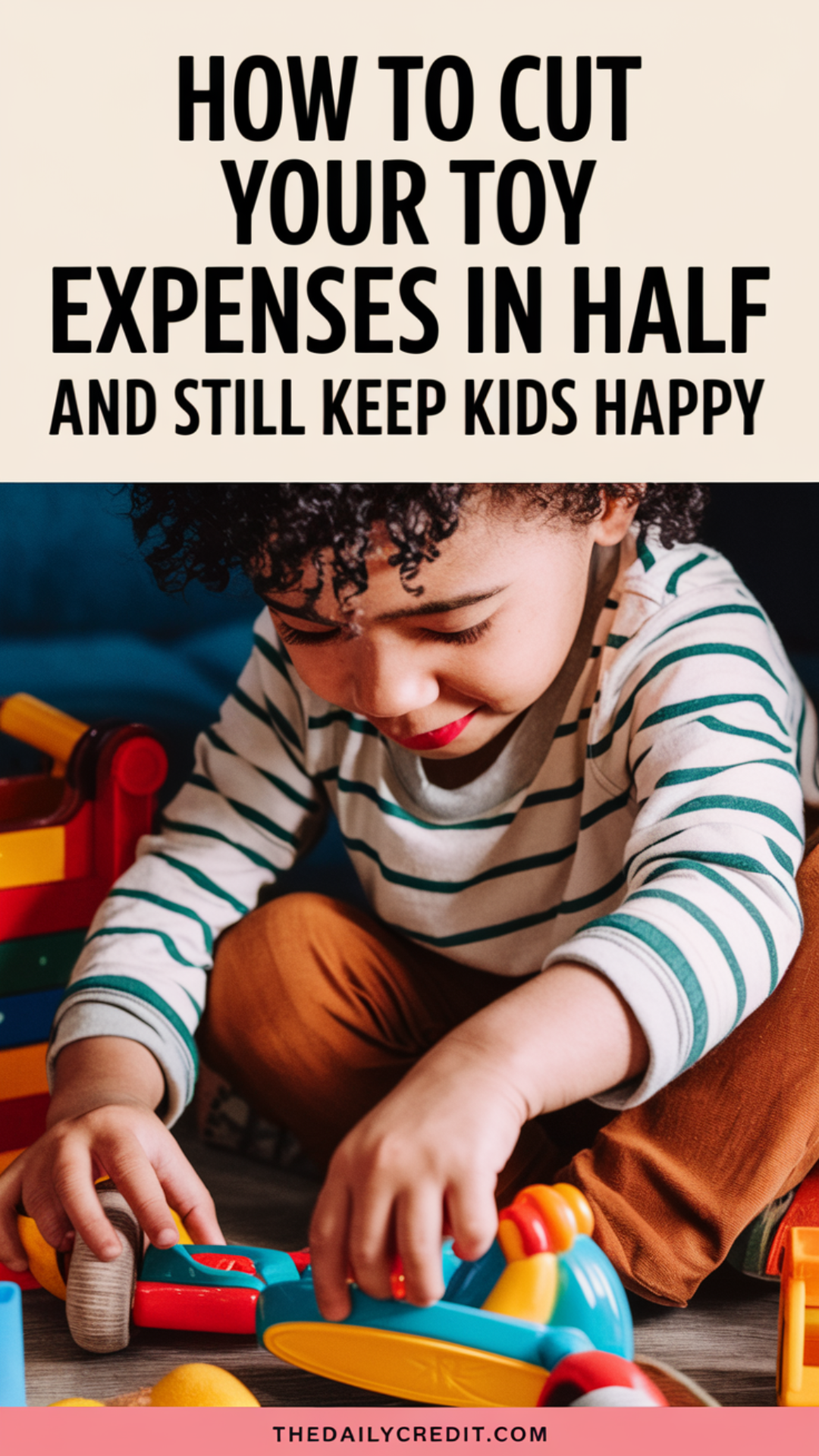
I’ve managed budgets where every dollar had to justify itself. Here’s the truth: kids don’t measure love in dollars—they respond to attention, novelty, and consistency. You don’t need $300/month. You need a smart $30 plan.
Redefine “Spoiling” With Data
Studies show experiences create 2–3x longer-lasting happiness than material items. Translation: one thoughtful activity beats five cheap toys.
Your goal isn’t spending more—it’s maximizing emotional ROI per dollar.

The $30 Allocation Model
Break it down like a portfolio:
- $10 → Treats (snacks, small surprises)
- $10 → Activities (DIY crafts, movie nights)
- $10 → Learning/Books
That’s $1/day, structured intentionally.
Example:
- $2 baking activity → 2 hours of engagement
- $5 craft kit → multiple uses
- Library books → $0, high value
Use Leverage, Not Money
High-return moves:
- Public parks, libraries, community events (free)
- YouTube guided activities (art, dance, learning)
- Rotation system: hide and reintroduce toys → feels new again
A “new” experience doesn’t have to be new—it just has to feel new.
Create Rituals That Compound Value
Kids remember patterns, not price tags.
Low-cost rituals:
- Weekly movie night
- Saturday DIY project
- “Surprise day” once a month
Consistency builds anticipation. Anticipation builds excitement—at zero extra cost.
Avoid the Common Money Traps
Where most parents overspend:
- Frequent toy purchases (used < 3–5 times on average)
- Impulse buys
- Replacing attention with spending
A $20 toy used twice = $10 per use
A $2 activity used weekly = $0.50 per use
That’s how you think like an operator.
Final Word from Experience
You don’t need a bigger budget—you need better allocation.
The parents who win:
- Focus on experiences over things
- Use structure, not impulse
- Turn time into value
Do that, and $30/month won’t feel limiting—it’ll feel efficient.