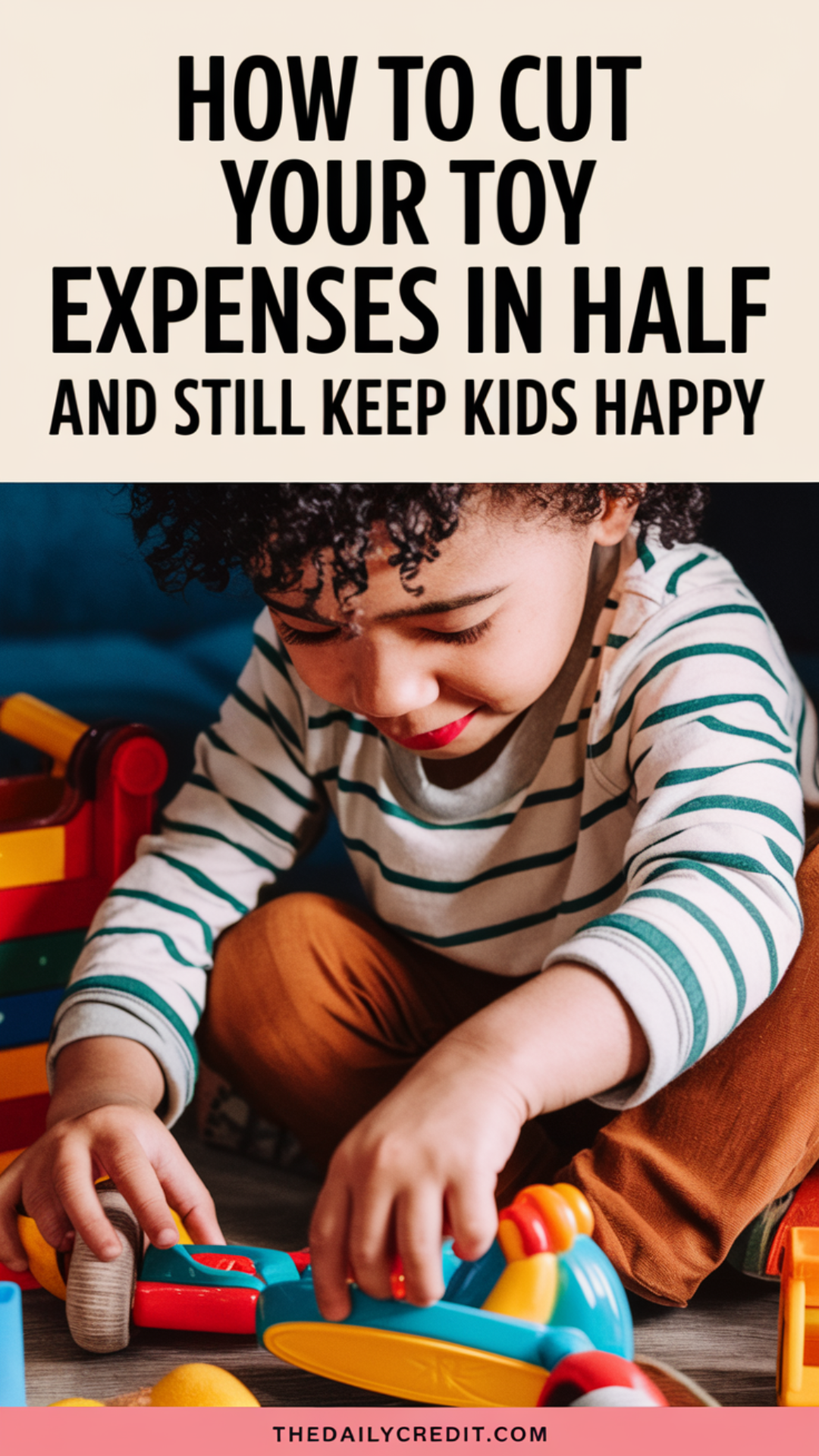
I’ve managed budgets where every dollar had to produce value. Here’s the truth: kids don’t need more toys—they need better experiences with fewer toys. The average household overspends by 20–30% on low-use items, especially toys.
$40/month is not restrictive—it’s optimized.
Break the Budget With Intent
Run it like a portfolio:
$20 → Toys (planned purchases)
$10 → Experiences (DIY, outings)
$10 → Surprise factor (small treats)
That’s ~$1.30/day, but allocated for maximum impact.
Focus on Usage, Not Price
Most toys are used 3–5 times and forgotten.
Better approach:
Buy fewer, higher-engagement items
Look for toys that offer 10+ uses
Example:
$20 toy used 20 times = $1 per use
$10 toy used twice = $5 per use
Think in cost per use, not price tag.
Use Rotation to Create “Newness”
You don’t need new toys—you need perceived novelty.
Strategy:
Keep 50% of toys hidden
Rotate every 2–3 weeks
Result:
Old toys feel new again
Spending drops without reducing excitement
Prioritize Experiences Over Objects
Data shows experiences create 2–3x longer-lasting happiness than physical items.
Low-cost ideas:
Movie night at home
DIY craft sessions
Park trips or challenges
A $5 activity can deliver hours of engagement.
Avoid the Common Spending Traps
Where budgets break:
Impulse toy purchases
Frequent “small” buys ($5–$10 adds up fast)
Replacing time with spending
Just 2 extra $10 purchases = 50% budget increase
Discipline here is everything.
Final Word from the Street
This isn’t about limiting your kids—it’s about allocating smarter.
The parents who win:
Focus on usage, not volume
Create excitement through structure
Control impulse spending
Do that, and $40/month won’t feel small—it’ll feel efficient and intentional.
I'm Richard Polk Vaughan, head writer at The Daily Credit, where I blend Wall Street expertise with freelance hustle. Crafting investment strategies and advising clients is my game, but I also dive into affiliate marketing and social media strategy. Outside work, you’ll find me on the tennis court or golf course, and I never say no to a good pizza. Balancing work, play, and passion keeps me sharp and ahead of the curve.