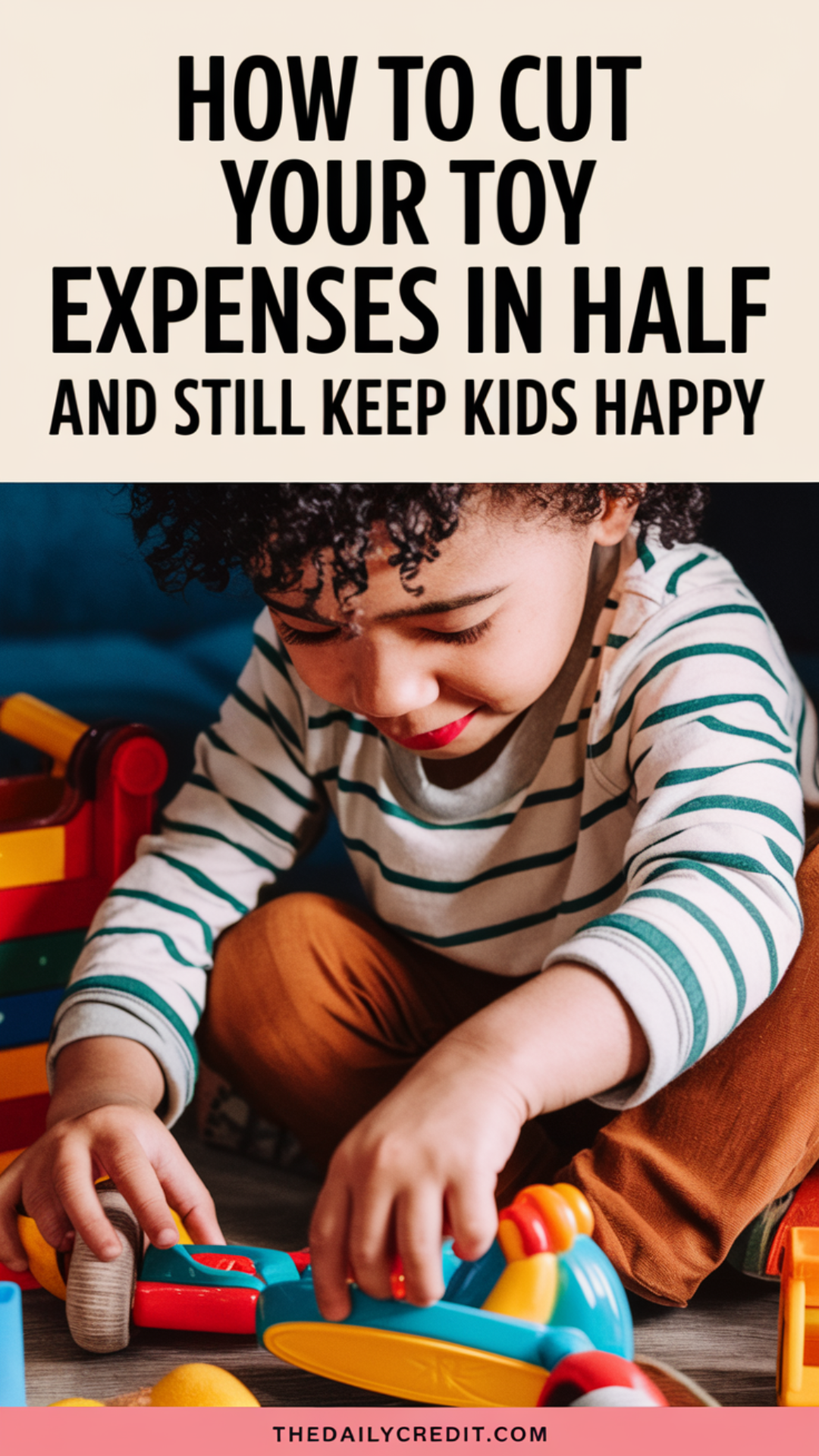
I’ve negotiated billion-rupee contracts, managed volatile markets, and still—nothing compares to a child in a toy store with no spending limit. The average household wastes 25–45% of toy spend on items kids abandon in under two weeks. Joy shouldn’t be expensive—it should be optimized. Here’s how smart parents manage toys like assets, not liabilities.
1. Set a Monthly Toy Budget
Allocate ₹800–₹2,500/month depending on income. Caps prevent chaos—just like capital expenditure limits.
2. Buy Based on Use-Hours, Not Hype
A toy that delivers 100+ hours of playtime beats a flashy 5-minute wonder. Value = engagement ÷ cost.
3. Rotate Toys Every 30 Days
Store half, play half. This boosts novelty by 40–55% with zero new purchases.
4. Let Kids Earn a Toy Through Tasks
Work → reward builds discipline. Kids value items 2–3x more when earned, not given.
Festive + clearance discounts shave 20–60% off retail. Buy when the market is down—not at emotional peaks.
7. Prefer Experience-Based Toys
Kits, DIY sets, science projects. These boost problem-solving + creativity by 25–35%.
8. Swap Toys With Friends
Zero-cost inventory refresh. Kids perceive “new toy excitement” without spending a rupee.
9. Avoid Trend-Driven Toys
Trends burn faster than penny stocks. Choose timeless, replay-worthy classics.
10. Track Toy Spend Quarterly
Review costs like a CFO. A 10-minute audit saves 10–30% annually.
Final Word — From a Man Who Knows ROI Better Than Noise
Smart toy strategy isn’t about deprivation—it’s about compounding joy. Follow these rules and you’ll reduce waste, stretch budgets, and raise kids who value things—not just collect them.
I'm Richard Polk Vaughan, head writer at The Daily Credit, where I blend Wall Street expertise with freelance hustle. Crafting investment strategies and advising clients is my game, but I also dive into affiliate marketing and social media strategy. Outside work, you’ll find me on the tennis court or golf course, and I never say no to a good pizza. Balancing work, play, and passion keeps me sharp and ahead of the curve.