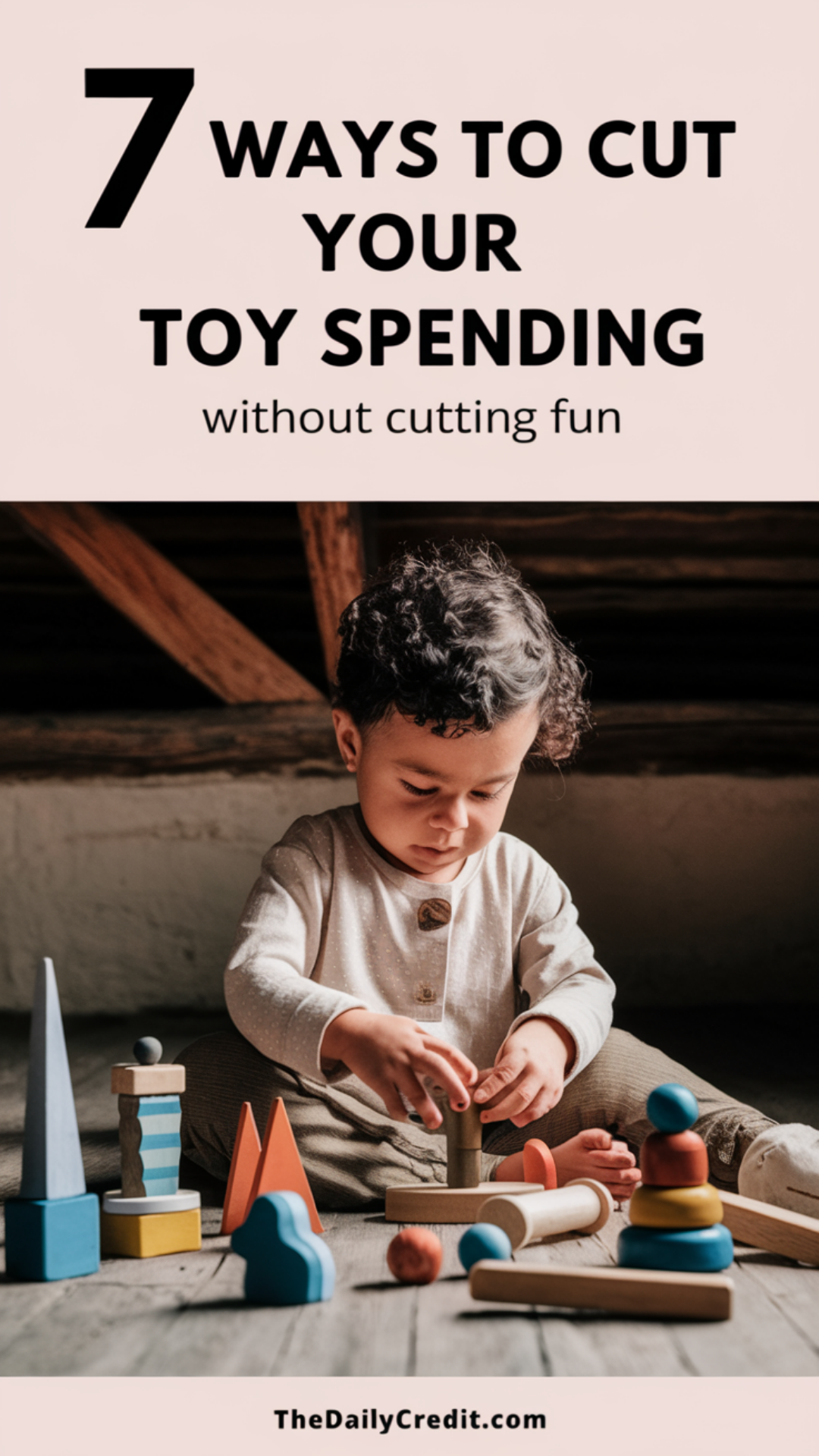
How to Cut Your Toy Expenses in Half and Still Keep Kids Happy
I’ve cut costs in businesses without touching morale. Toys work the same way. Kids don’t need more toys—they need novelty, access, and attention. Structure does the rest.
See the Real Toy Spending
Most parents underestimate by 30–40%.
Data:
- Average toy spend per child: $800–$1,200/year
- 60% of toys are rarely used after one month
Waste, not joy, is what you’re paying for.
Set a Hard Toy Budget
Limits create creativity.
Example:
- Old spend: $1,000/year
- New cap: $500
Instant savings: 50%.
Use Toy Rotation Instead of Buying
Novelty comes from absence.
System:
- Divide toys into 4 boxes
- Rotate every 1–2 weeks
Children engage 2–3× longer with rotated toys.
Restrict Buying to Special Dates
Impulse is expensive.
Rules:
- Toys only for birthdays and festivals
- No random purchases
This alone cuts buying frequency by 50–70%.
Apply the 30-Day Wait Rule
Time filters bad decisions.
Most toy requests disappear within two weeks.
Only buy what survives 30 days.
Buy Used and Borrow Smart
Ownership is optional.
Savings:
- Second-hand toys: 30–60% cheaper
- Toy swaps & libraries reduce spend further
Kids care about play, not price tags.
Final Wall Street Lesson
Cutting toy expenses isn’t about deprivation.
It’s about removing waste while protecting joy.
Control the system, and happiness stays intact.